Copper Peptide — Tissue Remodeling Research Compound
In Stock
$69.99
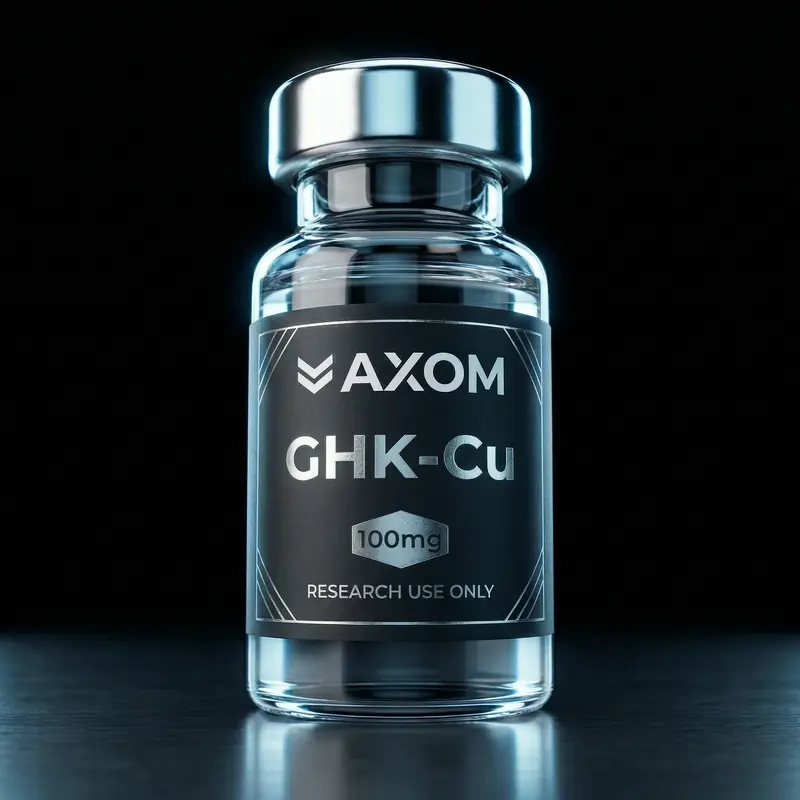
GHK-Cu is a naturally occurring copper-binding tripeptide studied for tissue remodeling, wound repair, and anti-aging research. ≥99% HPLC-verified. For research use only.
Quantity
1
Vial
$69.99
$69.99 / vial
Save 14%
2
Vials
$119.99
$60.00 / vial
You save $19.99
Save 24%
3
Vials
$159.99
$53.33 / vial
You save $49.98
≥99% Purity
cGMP Certified
3-Day Delivery
GHK-Cu
100mg • 1 Vial
Save 14%
Save 24%
Copper Tripeptide
Naturally occurring tripeptide-copper complex with high affinity binding
≥99% HPLC Purity
Every lot independently verified by third-party laboratories
COA Included
Full Certificate of Analysis with HPLC, mass spec, and endotoxin data
About This Compound
What is GHK-Cu?
GHK-Cu is a naturally occurring copper complex of the tripeptide glycyl-L-histidyl-L-lysine. First identified in human plasma in 1973 by Dr. Loren Pickart, it has been the subject of extensive research spanning over five decades.
Published studies have examined GHK-Cu's interactions with multiple biological pathways including gene expression modulation, with research showing it can affect the activity of numerous genes in in-vitro models.
Manufactured under cGMP-equivalent protocols and verified to ≥99% purity via HPLC. Full COA included with every order.
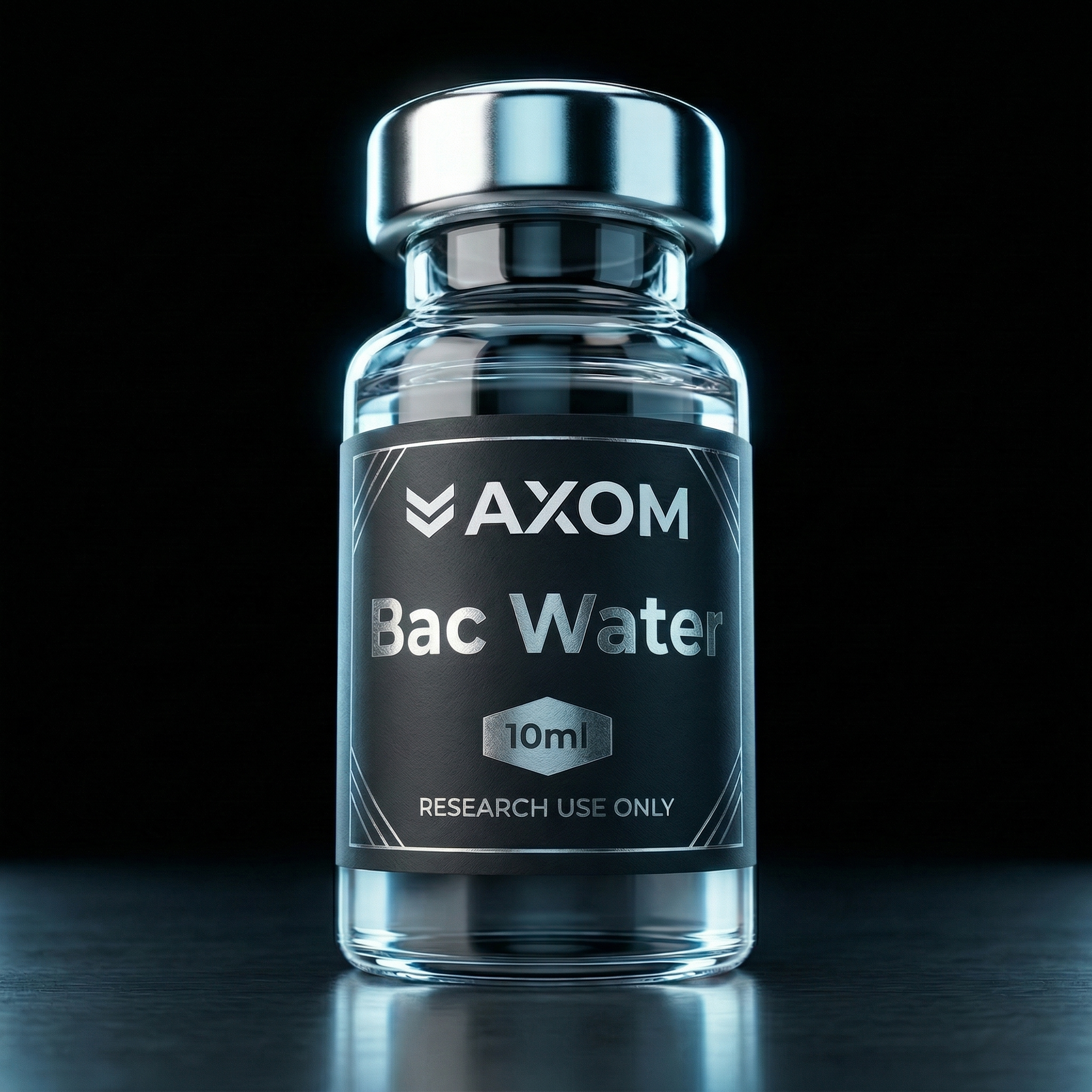
Supplied as a lyophilized blue powder. Soluble in sterile water and bacteriostatic water. For research and laboratory use only.
Technical Data
Specifications
CAS Number49557-75-7
Molecular FormulaC₁₄H₂₄CuN₆O₄
Molecular Weight~403.93 Da
SequenceGly-His-Lys + Cu²⁺
Purity≥99% (HPLC)
FormLyophilized blue powder
Storage-20°C (lyophilized)
Endotoxin<1 EU/μg
Published Research
Peer-Reviewed Studies
GHK peptide as a natural modulator of multiple cellular pathways in skin regenerationPickart L, et al. • BioMed Res Int, 2015
GHK-copper complex modulates the expression of multiple genesPark JR, et al. • J Korean Med Sci, 2009
Tripeptide-copper complex stimulates gene expression of integrins and angiogenic factorsSimeon A, et al. • FEBS Letters, 2000
Common Questions
GHK-Cu FAQ
GHK-Cu is a naturally occurring copper tripeptide complex (glycyl-L-histidyl-L-lysine copper). It is intended exclusively for in-vitro and laboratory research applications.
Verified at ≥99% purity via HPLC. Each lot includes mass spectrometry confirmation and endotoxin testing. Full COA included.
Lyophilized: -20°C long-term, stable at 2–8°C for 90 days. Reconstituted: 2–8°C, use within 28 days. Protect from light and moisture.
Yes. Every order includes a lot-specific COA with HPLC chromatography, mass spec data, peptide content, and endotoxin levels.
Orders before 2PM EST ship same day. Standard delivery is 2–4 business days within the continental US. All orders include tracking.
Still have questions about GHK-Cu or any of our research compounds?